Rural water boards hear the same request at every meeting: “Why can’t I pay my water bill online?” The answer depends on which online payment options your association offers, how you communicate them, and whether check and cash payers still feel respected.
This guide covers payment methods rural water associations typically support, how fees work, and how to roll out online pay without abandoning members who mail checks.
Quick answer
Rural water associations should offer card and ACH online payments through a PCI-compliant processor while keeping check, cash, and office payments. Print the portal URL on mailed bills, communicate before go-live, and expect gradual adoption: roughly half of customers may create portal accounts while about one third pay online.
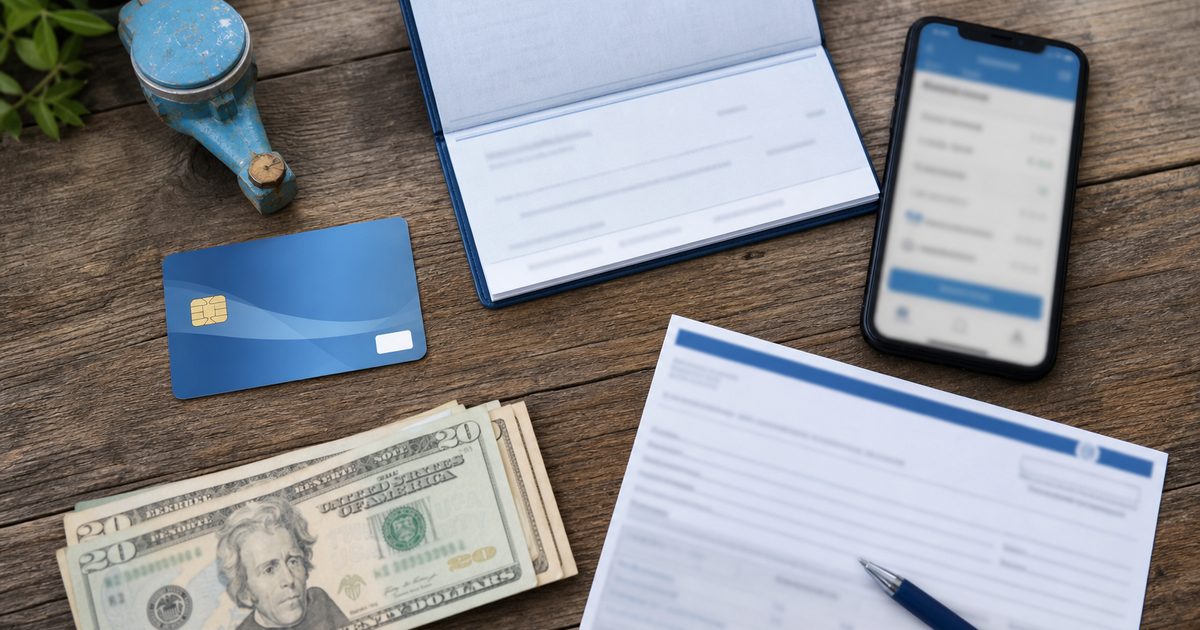
Payment Methods Rural Associations Support
Most community water utilities offer a mix:
- Online card pay. Credit or debit through a PCI-compliant processor such as Stripe.
- Online ACH / bank transfer. Lower cost for members who prefer drafting from a checking account.
- Check by mail. Return envelope included with tri-fold bills.
- Cash or check at the office. Still essential for members without bank accounts or smartphones.
- Auto-pay. Optional recurring payment for members who want set-and-forget billing.
Online payment options are additions. Associations that remove check payers too early see slower portal adoption and more board-room pushback.
How Online Payment Fees Work
Boards should ask two fee questions before enabling online pay:
- Does the association pay per-transaction platform fees?
- Does the customer pay a convenience fee when paying online?
With Online Water Bill, the association pays no transaction fees. Customers who pay online pay a small service fee; check, cash, and money order payments have no customer fee. Detail is in water billing software cost.
Accepting Online Payments Safely
Card numbers should never be stored on association computers or taken over the phone into a spreadsheet. Use a PCI Level 1 processor so payment pages and security are handled by the platform. Read how water associations accept online payments safely.
Driving Adoption Without Mandates
Print the portal URL on every bill. Communicate before go-live. Expect ready adopters in the first two months and gradual growth after that. Roughly half of customers may create portal accounts while about one third pay online, which still saves postage and reduces complaint calls. See online payment adoption strategies.
Pair Payments with a Customer Portal
Online pay works best when members can see balance and usage before they click pay. A portal reduces “what do I owe?” calls even when the member still mails a check. Checklist: what a customer portal should include.
Adding online payment options?
Tell us which payment methods you offer today. We will show how Online Water Bill handles card, ACH, and office-recorded check payments together.
Frequently Asked Questions
What online payment options should a rural water association offer?
At minimum: card and ACH through a secure processor, plus continued check, cash, and office payments. Optional auto-pay helps members who want recurring billing.
Who pays the fee for online water bill payments?
Models vary by vendor. With Online Water Bill, customers pay a small service fee when paying online; the association pays no transaction fees.
Can members still pay by check if we add online pay?
Yes. Keeping check payers comfortable is one of the best ways to grow online adoption without board conflict.
Is Stripe safe for rural water associations?
Stripe is PCI Level 1 certified. Online Water Bill uses Stripe so card data never touches association servers.
The Bottom Line
See related guides below or reach out with questions about your association.