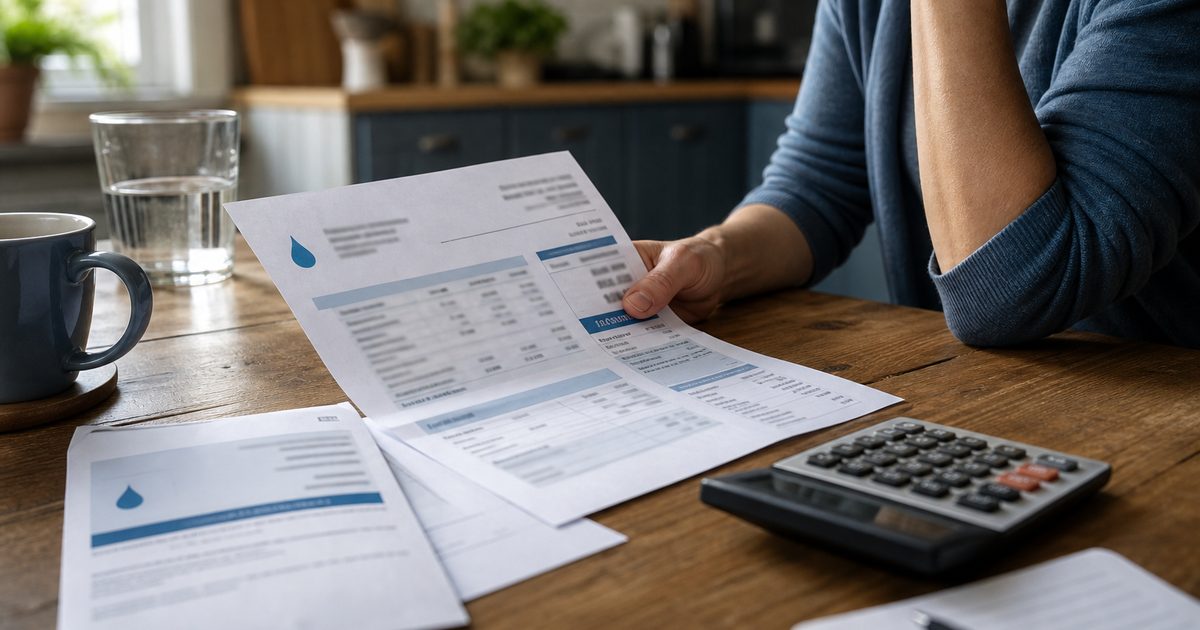
Municipal utilities publish FAQ pages because members call every month about the same thing: “Why did my bill jump?” “Will the estimated reading correct itself?” When the reader could not access a meter, could not get a clear read, or the route fell behind, the system estimates usage. The next actual read true-ups the account, and the member sees a catch-up bill.
Office staff and volunteer boards field those calls even when the math is correct. The fix is partly communication and partly a billing process that makes estimates, actual reads, and usage history visible to everyone.
Quick answer
Catch-up bills happen when estimated meter reads were lower than actual usage and the next actual read reconciles the difference. Members call because the spike looks like an error. Connect field reads to billing, show usage history in a customer portal, and reduce missed reads on rural routes to cut estimate frequency.
Why Catch-Up Bills Happen
Members often assume the association made a mistake. Staff spend hours explaining math that would be obvious if usage history were visible online.
- If the estimate was low, the member gets a higher bill that includes unpaid usage from prior months.
- If the estimate was high, the member may see a credit or lower bill next cycle.
- If estimates happen several months in a row, the true-up can look like a massive spike even when total usage for the year is normal.
What It Costs the Office
Every catch-up bill can trigger a phone call, a board member getting pulled in, and a dispute note scribbled on a sticky pad. Without a portal, the clerk re-reads the same usage table over the phone. Without clear read flags, nobody remembers which months were estimated.
Forum threads about water associations and faulty meter readings show how quickly members escalate when they feel blindsided. The operator ends up defending legitimate billing instead of fixing access problems on the route.
How Online Water Bill Reduces Estimate Confusion
Online Water Bill connects field reading, billing, and the member portal so estimates and true-ups are easier to explain and verify:
- Meter reading tied to billing. Reads post directly from the mobile meter app or AMR import. Fewer manual entry errors that look like estimate problems.
- Usage history in the portal. Members see month-by-month consumption online. A spike after estimates is visible in context, not a surprise on a paper bill.
- Ordered routes and GPS. Field readers follow mapped routes, which reduces skipped meters and repeated estimates from missed visits.
- Offline reading. Long rural routes with spotty cell service still get completed; fewer blank reads that force estimates.
- Consistent billing runs. Rates and tiers calculate the same way every month, so staff are explaining reads, not spreadsheet mistakes.
For field workflow details, see our guide to the best meter reading app for rural water associations.
What to Tell Members Before the Phone Rings
Publish a short explanation on your website or bill insert: estimates happen when a meter cannot be read; the next actual read adjusts the account; members can view usage online. Many disputes shrink when people can see the history themselves.
If estimates are frequent, fix the route problem: locked gates, aggressive dogs, buried lids, or reader staffing. Software makes the true-up visible; operations reduce how often you need estimates at all.
Tired of explaining estimate true-ups by phone?
Show members their usage online and connect field reads to billing in one system. We will walk through how it works for your route and account count.
Frequently Asked Questions
Can members see which months were estimated?
Usage history in the customer portal shows consumption by billing period. Staff can also review read history in billing when members call with questions.
Does online pay change how estimates work?
No. Estimates and true-ups are about meter reads, not payment method. Online pay gives members an easy way to pay once they understand the bill.
Can we reduce estimates on rural routes?
Yes. GPS-ordered routes, offline mobile reading, and AMR imports where available all reduce missed reads. Fewer missed reads mean fewer estimates.
What if a member still disputes a catch-up bill?
Review read history and prior estimates together. Document your dispute policy. A portal reduces repeat calls; it does not replace board-approved dispute procedures.
The Bottom Line
Catch-up bills after estimated reads are normal utility math that feels unfair when members cannot see the history. Staff should not have to re-teach arithmetic on every call.
Connect reads to billing, put usage where members can see it, and fix route gaps that force estimates. Contact us to see how field reading and the customer portal work together.